
Hiring teams today are flooded with resumes for every open position. Manually reviewing hundreds of applications takes time, causes delays, and often leads to missed opportunities.
Automated resume screening systems make this process faster and more consistent. They help HR teams quickly identify qualified candidates based on skills, experience, and role fit all without manual sorting.
These systems also remove bias, ensure fairness, and free recruiters to focus on engaging with top candidates instead of getting lost in paperwork.
In this blog, we’ll explore what automated resume screening is, why it matters, how it works, and which tools are the best for streamlining your hiring process.
What is Automated Resume Screening?
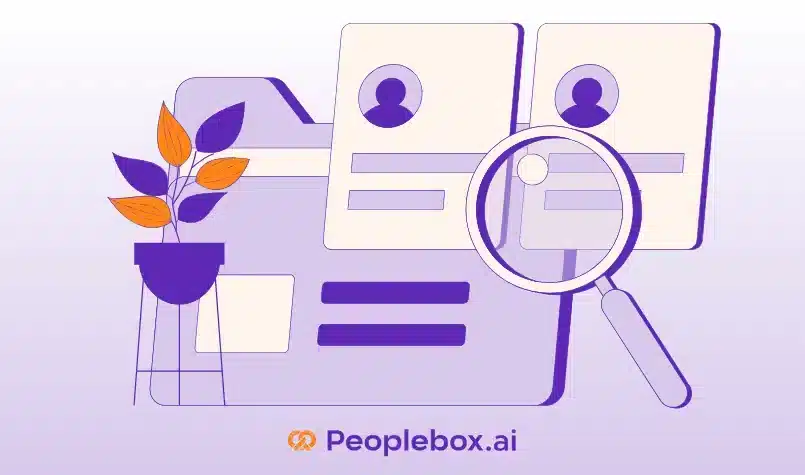
Automated resume screening is a digital process that helps HR teams review and shortlist candidates faster. Instead of manually reading through every resume, the system automatically analyzes and ranks applicants based on how well they match the job requirements.
It scans each resume to capture key details such as skills, work experience, education, and achievements, then compares them with the criteria defined for the role. This helps identify the most suitable candidates in minutes.
Unlike traditional applicant tracking systems that only store resumes, automated screening tools actively evaluate each application, assign scores, and highlight the top profiles for review. Recruiters can quickly see which candidates best fit the job and why they were selected.
Companies using automated resume screening often report:
- Up to 75% faster hiring
- 50% better candidate quality
- 40% lower cost per hire along with improved fairness and diversity in their recruitment process.
Why Manual Resume Screening Doesn’t Work for High-Volume Hiring?
Manual resume screening starts breaking down the moment applications pile up. For many HR teams, reviewing hundreds of resumes per role is slow, inconsistent, and full of blind spots. Recruiters often spend just a few seconds on each application, which means great candidates can easily be overlooked.
When screening is rushed, bias and inconsistency creep in. Different recruiters use different standards, and decisions are often based on personal impressions rather than objective qualifications. Without structure, hiring becomes less fair and much harder to scale.
Let’s look at how automated systems solve these issues:
1. Save Time and Effort
Automated screening tools process hundreds of resumes in minutes. Recruiters no longer have to manually sift through every document, which saves hours of administrative work and allows them to focus on interviews and candidate engagement.
2. Improve Consistency and Fairness
Every resume is reviewed using the same set of criteria, which ensures equal opportunity for all applicants. This creates a more standardized and transparent process across departments and roles.
3. Reduce Unconscious Bias
Automation helps remove bias by ignoring personal details such as name, gender, or school. The system focuses only on job-related skills and experience, leading to fairer, data-driven hiring decisions.
4. Strengthen Compliance and Record-Keeping
Automated systems track every action why candidates were shortlisted, paused, or rejected. These audit trails make it easier to comply with employment laws and prove fairness in hiring decisions.
5. Scale Hiring Without Adding Resources
As applications grow, manual screening becomes unmanageable. Automated systems can handle thousands of resumes at once, helping HR teams keep up with hiring demands without expanding the recruitment staff.
With the right automation, screening turns from a time-consuming task into a strategic, data-backed process that helps companies find great talent faster and more fairly.
What to Look for in an Automated Resume Screening Tool?
Choosing the right automated resume screening tool helps recruiters work faster, stay consistent, and find better candidates. When evaluating options, focus on features that bring real efficiency and accuracy to your hiring process.
1. Smart Screening and Prioritization
The tool should automatically analyze resumes and score candidates based on how well they match your job criteria. This saves hours of manual work and allows recruiters to spend time on top talent rather than sorting resumes.
Example: The system highlights candidates who have key skills like “project management” or “AWS certification” right away.
2. Resume Parsing
A good system should extract important details from resumes such as contact information, work history, education, and skills and show them in a structured way. This makes it easy to compare candidates without reading each document fully.
Example: Instead of flipping through pages, recruiters see a standardized profile for every applicant.
3. Custom Screening Criteria
Look for tools that let you set specific filters and requirements for each job. You should be able to adjust parameters like experience level, industry background, certifications, or technical skills to match the role closely.
Example: For a sales position, you can filter candidates who have over five years of sales experience and CRM expertise.
4. Seamless ATS Integration
Your resume screening tool should work smoothly with your current applicant tracking system. This keeps candidate data in one place and makes your hiring workflow easier to manage.
Example: Once a candidate is screened and scored, they automatically move into the next stage in your ATS without manual entry.
5. Analytics and Reporting
The tool should provide clear insights into your hiring process, such as where your best candidates come from, how long each hiring stage takes, and diversity trends in your applicant pool. These reports help you make better decisions over time.
Example: You might discover that certain job boards consistently bring higher quality candidates, allowing you to adjust your sourcing strategy.
How Does Automated Resume Screening Software Work?
Automated resume screening software works through a step-by-step process that turns unstructured resume data into clear, useful insights for recruiters.
Step 1: Resume Intake and Parsing
When candidates apply, the system automatically collects resumes in different formats like PDF or Word. It reads each file to extract key details such as contact information, education, work experience, and skills. All this data is then stored in a consistent format for easy comparison.
Step 2: Criteria Matching and Scoring
The software compares each candidate’s details against the job requirements you’ve set. It looks for specific skills, experience, and qualifications that match the role. Each resume is then given a score or rank, showing how closely it fits the position.
Step 3: Candidate Ranking and Prioritization
Based on the scores, the system ranks candidates from most to least suitable. Top profiles are highlighted for quick review, while those that don’t meet the key criteria are set aside. Recruiters can see why a candidate scored higher or lower, making the process more transparent.
Step 4: Integration and Workflow Automation
Once top candidates are identified, they automatically move to the next step in your hiring process. The tool can schedule interviews, send automated responses, and notify hiring managers, saving hours of manual coordination.
Step 5: Continuous Learning and Improvement
Over time, the software learns from recruiter feedback. When you mark which candidates performed well or were hired, the system refines its selection process, becoming smarter and more accurate with every hiring cycle.
By automating these steps, resume screening software reduces time-to-hire from weeks to days, ensures fair evaluation, and helps recruiters focus on the best candidates instead of sorting through endless resumes.
Top 5 Automated Resume Screening Tools for Your Business
Choosing the right resume screening software can make hiring faster, fairer, and more effective. Below are five of the best tools that help recruiters find top candidates with less effort.
|
Tool |
Best For |
Key Features |
|
Fast, AI-powered screening |
Smart resume analysis, candidate scoring, authenticity checks, ATS sync |
|
|
Workable |
High-volume hiring |
AI suggestions, video interviews, anonymized screening |
|
ClearCompany |
Automated recruitment campaigns |
AI matching, outreach automation, chatbot engagement |
|
Endorsed |
Fair, skill-based screening |
Bias-audited scoring, transparent evaluations, ATS integration |
|
Pesto AI |
Hiring remote developers |
Verified profiles, AI matching, compliance support |
1. Peoplebox
Peoplebox is a powerful hiring and performance platform built to help HR teams move faster and make better hiring decisions. It automates resume screening, shortlisting, and candidate matching while keeping your process fair and consistent.
The tool goes beyond simple keyword scanning. It helps recruiters verify candidate authenticity, highlight top matches, and even identify other roles a candidate might fit. With its strong automation and ATS integration, Peoplebox streamlines every step from screening to final selection.
Key features
1. Smart Resume Screening
Automatically reviews and analyzes resumes to highlight relevant skills, experience, and qualifications. This helps recruiters focus on the most suitable candidates instead of reading every resume manually.
2. Candidate Scoring and Shortlisting
Ranks applicants based on how closely they match job requirements. The system prioritizes top candidates, allowing HR teams to make faster, data-backed decisions.
3. Role Matching Across Open Positions
Finds potential fits for other job openings within your company, ensuring that no strong candidate is overlooked for a different role.
4. Candidate Authenticity Verification
Detects fake or AI-generated resumes and verifies candidate credentials to ensure only genuine, qualified profiles move forward in the hiring process.
5. Seamless ATS Integration
Connects easily with your existing Applicant Tracking System to keep your hiring workflow organized and eliminate duplicate data entry.
Why Choose It:
Peoplebox stands out for combining screening automation with deeper talent insights. It saves recruiters hours of manual work while ensuring you never overlook a high-potential candidate.
Its authenticity verification and role-matching features make it especially valuable for companies that want accurate, bias-free results at scale.
G2 Rating: 4.5/5 ⭐
Get a Personalized Demo and see how Peoplebox.ai helps you screen smarter, faster, and more accurately.
2. Workable
Workable is a complete hiring platform designed for companies that handle large volumes of applications. It helps recruiters source, screen, and interview candidates efficiently from a single dashboard.
The system uses smart automation and data-driven insights to help HR teams focus on the best candidates faster. With built-in assessments and anonymized screening, Workable also supports fair and inclusive hiring practices.
Key Features
-
AI Candidate Recommendations
Uses advanced algorithms to suggest the best candidates from a global database of over 400 million profiles.
2. Anonymous Screening
Hides personal information such as name or photo to reduce bias during the initial review.
3. Pre-Built Interview Kits
Offers structured scorecards and interview templates for consistent candidate evaluation.
4. One-Way Video Interviews
Lets candidates record responses to screening questions, saving recruiters valuable time.
5. Integrated Assessments
Includes personality and cognitive tests to assess job fit and compatibility.
Why Choose It:
Workable is ideal for fast-growing teams and companies hiring at scale. It helps recruiters handle high application volumes while maintaining fair and objective evaluations.
G2 Rating: 4.5/5 ⭐
3. ClearCompany
ClearCompany combines applicant tracking with recruitment marketing tools to make hiring faster and more efficient. It helps HR teams find, engage, and hire top candidates while maintaining consistent communication throughout the process.
The platform’s automation features simplify campaign management and improve collaboration across hiring teams, making it ideal for companies that manage multiple open positions at once.
Key Features
-
AI Candidate Matching
Automatically ranks candidates based on job fit and experience, helping recruiters focus on the most qualified profiles.
2. Automated Campaigns
Runs recruitment campaigns via email and SMS to engage passive and active job seekers.
3. Large Candidate Database
Accesses a pool of over 800 million professionals for faster and more targeted sourcing.
4. Career Page Chatbots
Uses automated chatbots to engage visitors, answer questions, and boost application completion rates.
5. Custom Job Branding
Creates consistent, branded job posts that reflect your company culture and improve candidate experience.
Why Choose It:
ClearCompany is a great choice for HR teams that want to automate outreach and improve candidate engagement.
G2 Rating: 4.6/5 ⭐
4. Endorsed
Endorsed helps organizations screen resumes and shortlist candidates quickly using a fair, skill-based approach. It focuses on transparency and objectivity, allowing recruiters to understand why each candidate was ranked or selected.
The platform’s bias-audited system ensures that hiring decisions are based solely on qualifications, making it a trusted choice for companies focused on diversity and fairness.
Key Features
-
Skill-Based Candidate Ranking
Scores applicants on job-relevant skills rather than subjective factors, ensuring consistency.
2. AI Evaluations
Simulates human recruiter logic to review resumes accurately and fairly.
3. Bias-Audited Screening
Uses data-tested models to minimize bias and promote equitable hiring.
4. Transparent Reasoning
Explains why candidates are ranked a certain way, increasing confidence in results.
5. Easy ATS Integration
Connects seamlessly with existing applicant tracking systems to maintain workflow continuity.
Why Choose It:
Endorsed is best for organizations that prioritize fairness and accountability in hiring. Its transparent, skills-first evaluation helps build trust and supports compliance with diversity goals.
G2 Rating: Not yet rated
5. Pesto AI
Pesto AI focuses on helping businesses hire top remote software developers quickly. It provides pre-vetted candidates and detailed technical assessments, making it easier for recruiters to find reliable developers without manual screening.
The platform simplifies global hiring by handling verification, compliance, and onboarding, making it ideal for fast-moving tech companies.
Key Features
-
AI-Driven Developer Matching
Automatically identifies the best remote developers for open tech roles.
2. Verified Candidate Profiles
Presents pre-screened profiles with validated skills, project experience, and code samples.
3. Rigorous Vetting Process
Ensures only top-tier candidates reach your dashboard after multiple screening rounds.
4. Transparent Pricing
Provides clear and predictable pricing, helping companies plan hiring budgets easily.
5. Compliance and HR Support
Manages contracts, payments, and legal compliance for international hires.
Why Choose It:
Pesto AI is perfect for startups and global tech teams that need to scale fast with reliable developers. It eliminates manual screening while ensuring every candidate is pre-qualified, saving time and ensuring quality.
G2 Rating: Not yet rated
Key Benefits of Automated Resume Screening Systems
Automated resume screening systems help HR teams work smarter, hire faster, and make better data-backed decisions. Here are the five biggest benefits that make them essential for modern recruitment:
1. Reduce Time-to-Hire
Automated tools process hundreds of resumes in minutes, cutting hiring cycles from weeks to days. Recruiters can reach top candidates faster, schedule interviews sooner, and close roles before competitors do.
2. Improve Quality of Hire
By evaluating resumes objectively against job-specific criteria, these systems highlight candidates who genuinely match requirements. This results in stronger hires who perform better, stay longer, and align closely with company goals.
3. Eliminate Unconscious Bias
Automated systems focus purely on skills and experience, removing personal identifiers such as name, gender, or school. This helps build diverse and inclusive teams while ensuring fair, consistent evaluation.
4. Scale Hiring Without Extra Resources
Whether you’re hiring for five roles or five hundred, automation handles large volumes effortlessly. HR teams can manage growth, seasonal hiring spikes, and global recruitment without adding more recruiters.
5. Make Data-Driven Recruitment Decisions
With built-in analytics, recruiters can see which sourcing channels deliver the best candidates, where delays happen, and what factors predict successful hires. These insights help refine hiring strategies and improve outcomes over time.
Use Peoplebox.ai to Connect Talent Strategy with Business Outcomes using AI
Every company wants to achieve moonshot goals, but you need to hire and retain exceptional talent while aligning them with your strategic objectives.
In most companies, hiring processes are fragmented, and talent development is disconnected from the company’s mission. This results in poor execution and a high turnover of top performers.
Peoplebox.ai provides a single AI platform to streamline hiring, performance management, goal alignment, and career development. It automates skill-gap analysis and matches talent to the right roles to help companies achieve bigger goals.
It also offers an AI Resume Screening tool to automate the entire screening and shortlisting process for HR managers. In seconds, it can accurately process thousands of applications.
It provides insights into each candidate’s strengths and weaknesses, including attributes from the public domain (LinkedIn, Crunchbase, PR, etc).
You get an instant score assigned to each candidate’s profile based on their skills and company fit. And that means you save time to hire and improve your hiring rate.
Book a demo to Peoplebox.ai and hire the best talent in the market.
Frequently Asked Questions
1. What is automated resume screening, and how does it work?
Automated resume screening uses AI to read and evaluate resumes quickly. It looks at skills, experience, and qualifications, then matches them to job requirements. The system ranks candidates so HR teams can focus on the best fits faster.
2. How do I evaluate the accuracy of an automated resume screening tool?
Test it using known candidate profiles and compare its results with recruiter decisions. Choose tools that show clear reasoning for rankings and allow you to adjust evaluation criteria as you go.
3. Can automated tools eliminate unconscious bias in hiring?
They help reduce bias by focusing only on skills and experience while hiding personal details like name or gender. To keep results fair, the AI must be trained on diverse data and checked regularly.
4. What features should I prioritize when selecting a resume screening tool?
Focus on AI-powered screening, ATS integration, customizable filters, bias reduction, analytics, and scalability. For most teams, these features help balance speed, accuracy, and fairness.
5. How do automated resume screening tools integrate with existing systems?
Most connect easily with popular ATS or HR systems using APIs. Integration lets you manage resumes, interviews, and updates in one place without switching between tools.