










Biswashree Roy

BLOG / Employee Retention
9 Best Employee Retention Software to Retain your Top Talent
September 17, 2024
Expert Reviewed

Companies’ year-on-year turnover rates will be 50-70% higher in the future. Also, it will take 18% more time to fill the role.
The increased hiring time will raise recruiting costs while losing important employees will disrupt teams, delay projects, and hurt morale.
The solution? Identify and retain top talent.
We all know it takes high-level engagement to increase retention but with daily tasks, for HRs, it’s hard to manage both work and engagement practices. That’s why you need a tool to take off some engagement from your plate.
An employee retention software allows you to engage with employees and retain them without spending hours creating retention plans and executing them.
This blog shares top employee retention software from which you can choose the best for your business.
What is Employee Retention Software?
Employee retention software helps companies keep their best talent by tracking employee satisfaction, providing recognition, and offering data-driven insights.
It identifies areas for improvement in engagement, career development, and team dynamics to reduce turnover and boost morale.
Importance of Employee Retention Software
As companies prepare to increase employee retention, they need software to help them in the process. In an organization, there’s one manager for at least 2-3 employees.
Employee retention software automates practices like feedback and meetings so HRs and managers can engage with more employees.
Benefits of Employee Retention Software
Increased engagement
Retention software promotes a positive work culture by providing real-time feedback and recognition, boosting employee engagement.
| For example, a software company can introduce real-time feedback through retention software. Employees feel more involved as their contributions are recognized. |
Reduced turnover
Identifying dissatisfaction early allows for proactive measures to prevent turnover.
| For example, pulse surveys in a retail store can reveal that employees feel stressed during busy periods. Then, the HR team can take quick actions to lighten the workload, preventing resignations. |
Improved morale
Recognition and rewards systems motivate employees, improving job satisfaction.
| For example, an e-commerce startup can share rewards with employees to boost their morale and make them feel appreciated. |
Data-driven decisions
Analytics and reports offer insights into engagement trends, allowing HR to make informed decisions.
| For example, a factory can use people analytics to spot a struggling team and the HR can offer training that improved satisfaction. |
Career development
Performance tracking and feedback help employees grow, increasing loyalty to the company.
| For example, a financial company might offer employees a platform to talk about their career aspirations and train them to meet their goals. This way, employees feel they can grow and choose to stay within the company. |
9 Best Employee Retention Software for Small Business
1. Peoplebox
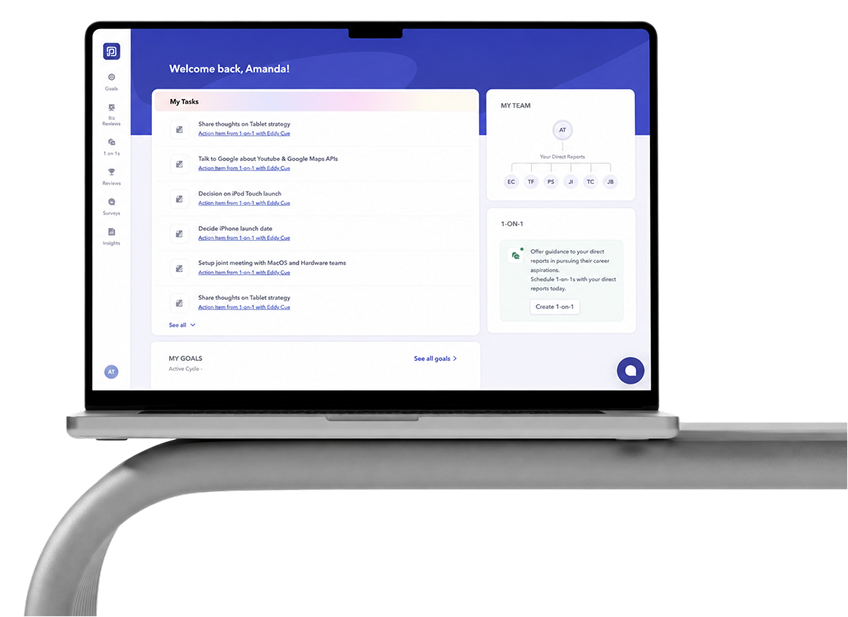
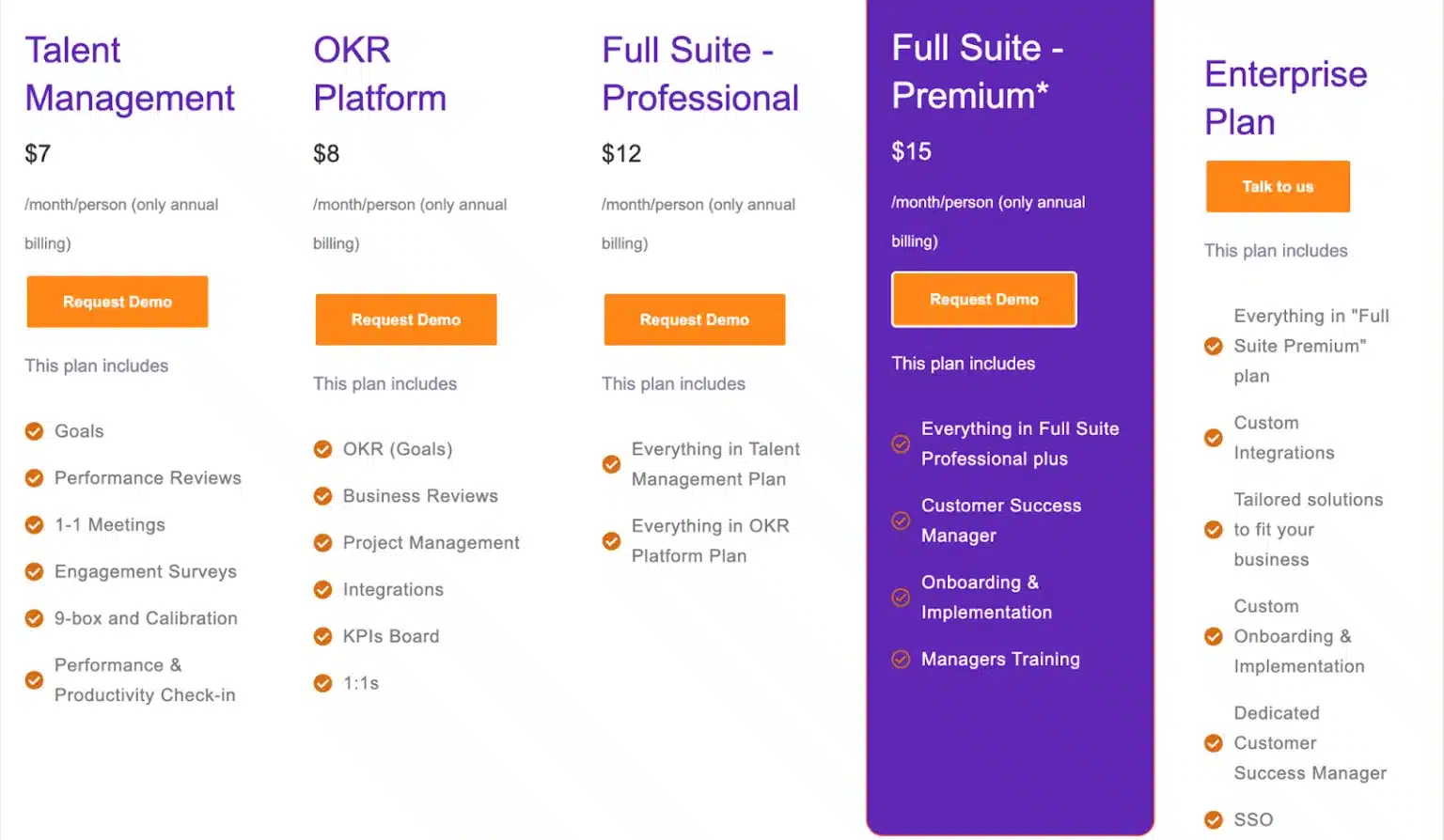
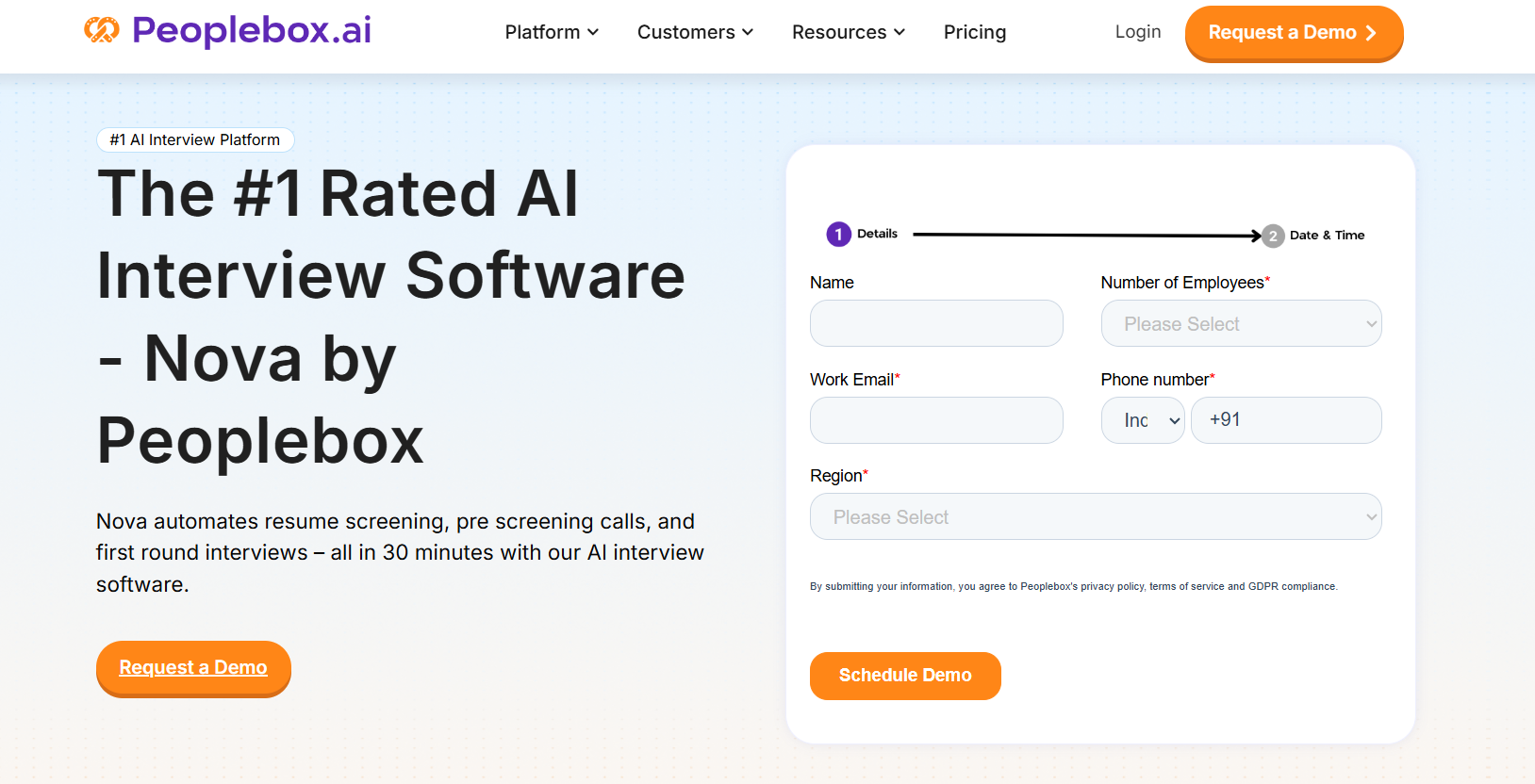
Peoplebox is an all-in-one employee retention software for small businesses to enhance performance management and employee engagement. It helps organizations align team objectives with company goals, facilitating better communication and boosting overall productivity.
Key features of Peoplebox that make it a great employee retention software:
OKR alignment: OKR dashboards tie employees to a bigger goal, which motivates them to stay with your company longer. With Peoplebox, you can create a customizable dashboard with charts, KPIs, and narration so employees can track their progress concerning the company goals.
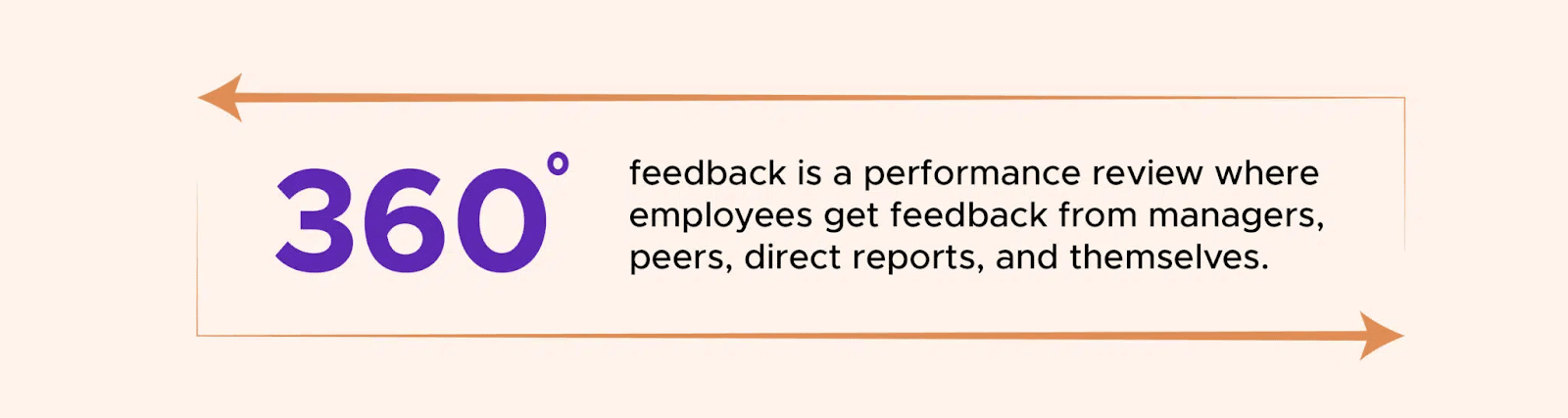
360 feedback: Enables real-time feedback between managers and team members, promoting a culture of open communication. Regular feedback helps employees improve and feel valued, increasing their satisfaction and commitment to the company.
| Pro tip: Check out 360-degree feedback to kickstart your review process and get the most out of your employees. |
Anonymous messaging: With Peoplebox, you can let employees leave textual feedback anonymously. This motivates them to speak their mind without fear of judgment.
Performance reviews: Transparent performance reviews help increase employee retention. When they feel recognized, they feel like sticking around as it contributes to their growth. Peoplebox provides customizable templates and analytics, making evaluations fair and efficient.
Weekly check-ins: Check-ins help managers pinpoint bottlenecks that affect their employees’ productivity. With each check-in, managers can track how well the employees perform and where they need help.
1:1 meeting tools: Peoplebox offers structured frameworks for effective one-on-one meetings. You can add a 1:1 meeting to your calendar directly from the tool, adding action items and talking points to ensure nothing is undiscussed. You can also send reminders to employees to act on the action items so they don’t miss anything.
Pricing
G2 rating
4.5/5
2. BambooHR
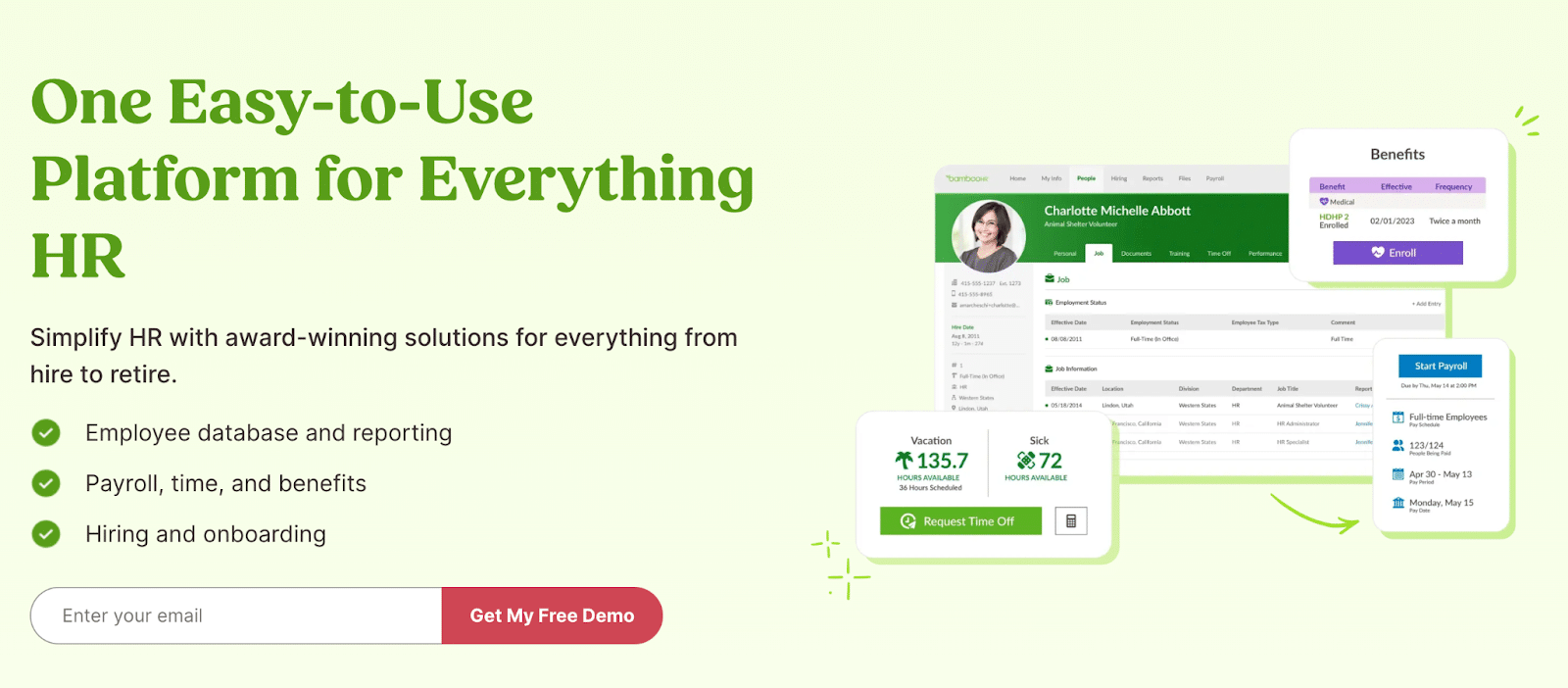
BambooHR is a comprehensive HR and employee retention software tailored for small and medium-sized businesses. It offers tools for managing employee data, hiring processes, onboarding, and performance management to enhance employee experience.
Key features of BambooHR that make it a great employee retention software:
eNPS: The eNPS anonymous survey can help you understand how employees feel about your organization. By participating in an anonymous survey, employees feel heard. Use the survey results to improve employee experience and increase employee retention.
Employee self-service portal: Bamboo HR allows employees to access and manage their personal information, fostering autonomy and trust. This empowerment leads to higher employee engagement and satisfaction.
Performance management: You can simplify goal setting, feedback, and evaluations, supporting professional growth. Employees who see a clear path to advancement are more likely to stay.
Employee satisfaction surveys: With Bamboo HR, you get insights into employee morale, enabling proactive improvements.
Onboarding automation: Bamboo HR streamlines the onboarding process, making new hires feel welcomed and prepared. A positive start increases the chances of long-term retention.
Pricing:
Not mentioned on the website
G2 rating
4.4/5
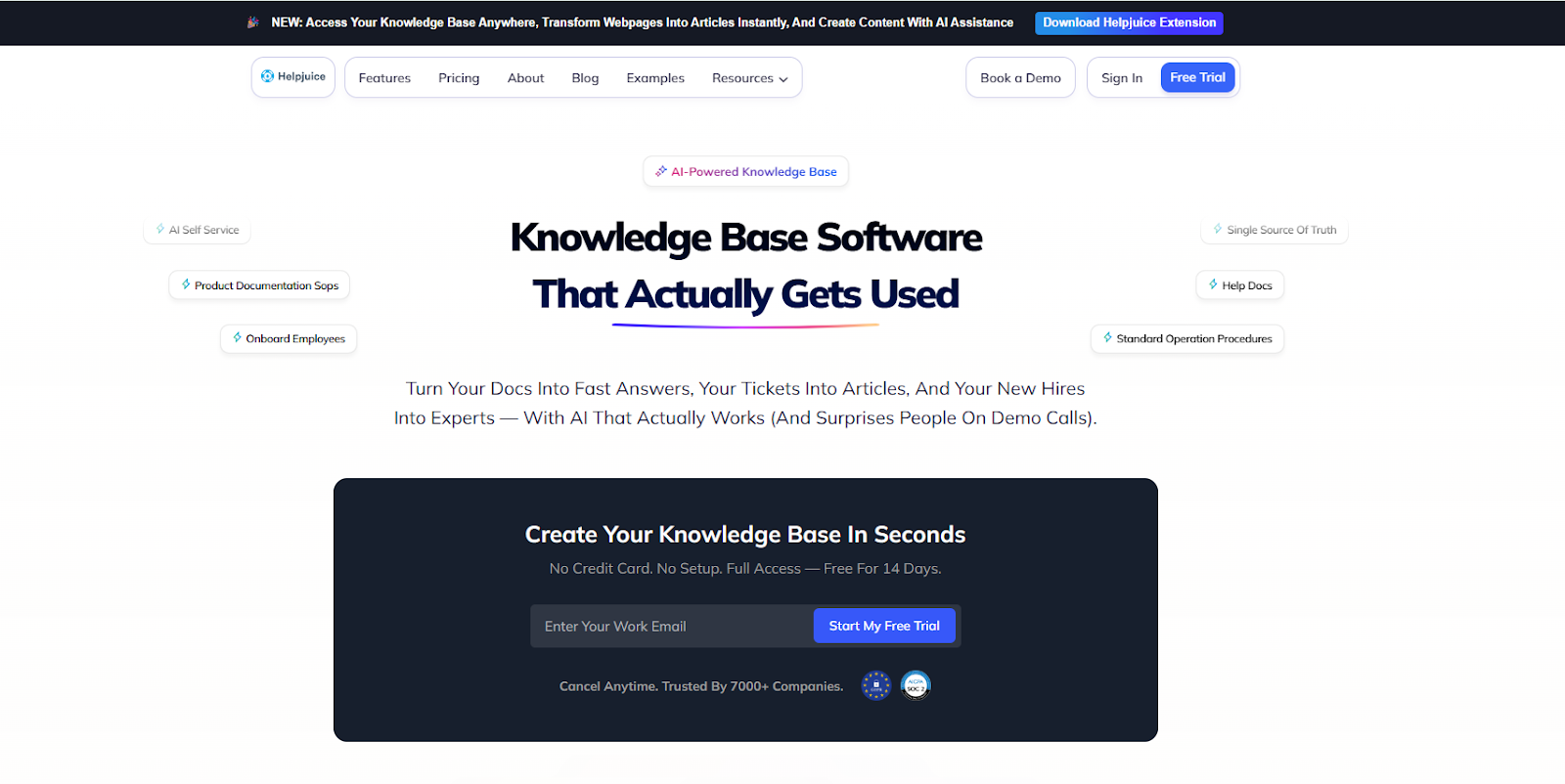
3. SurveyMonkey
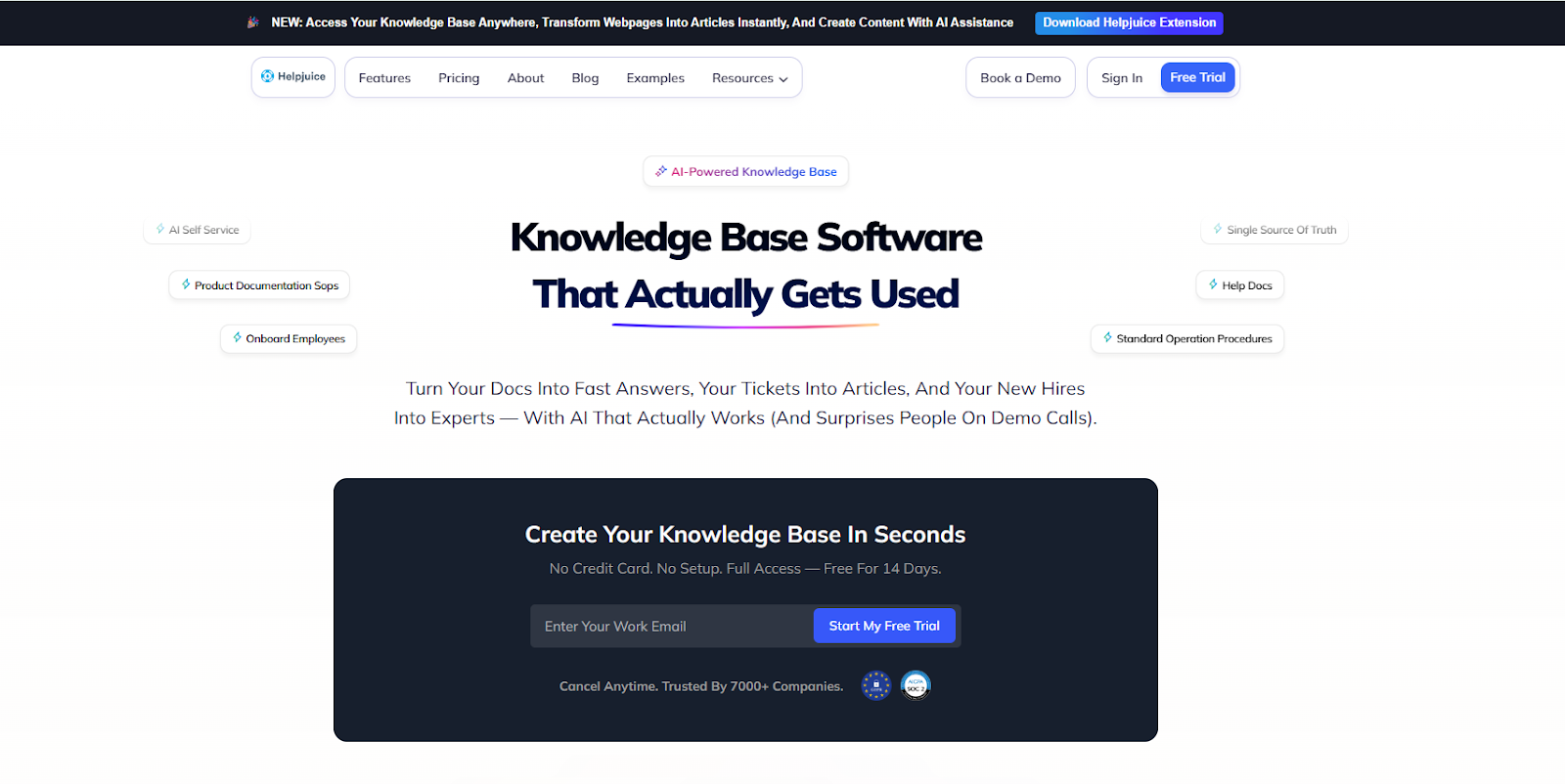
SurveyMonkey is a versatile platform that helps HR professionals collect and analyze employee feedback. As an employee retention software, it aids businesses in understanding employee sentiments, measuring engagement, and making data-driven decisions to improve retention.
Key features of SurveyMonkey that help increase employee retention:
Anonymous feedback: Employees can provide honest opinions, helping organizations address concerns proactively and create a supportive work environment.
Customizable surveys: Tailored surveys allow businesses to gather insights on specific retention challenges, helping shape retention strategies.
Real-time insights: Immediate survey data provides actionable insights to improve employee satisfaction.
Pulse surveys: Frequent check-ins help monitor employee engagement continuously.
Benchmarking: Compare employee feedback against industry standards to improve retention efforts.
Pricing
G2 rating
4.4/5
4. Motivosity
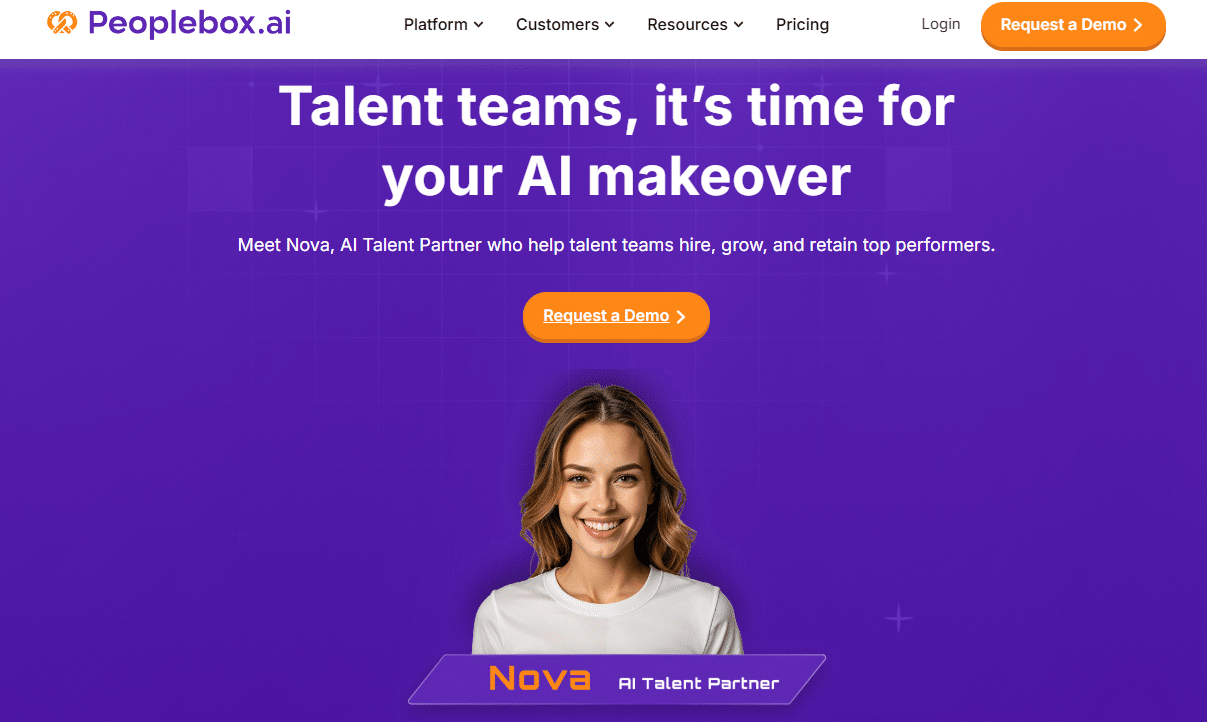
Motivosity is an employee retention software focused on enhancing workplace culture through recognition and rewards. It aims to improve employee happiness by fostering appreciation and connectivity among team members.
Key features of Motivosity that make it a great employee retention software:
Employee recognition: With Motivosity, employees can give each other shout-outs in a social feed. It’s like the company’s version of a social media wall, but for appreciating hard work. Seeing and giving praise in real-time keeps spirits high and helps create a positive culture.
Rewards: Motivosity lets employees redeem points for actual rewards, from gift cards to cool company swag. The ability to choose their rewards keeps employees motivated and feeling appreciated.
Automated celebrations: Do you forget someone’s work anniversary or birthday? Motivosity has you covered by automating those celebrations. It ensures milestones like birthdays or anniversaries are always acknowledged, keeping employees feeling valued without worrying about missing an important date.
Pulse surveys and feedback: Motivosity lets you send quick surveys to gauge employee sentiment. The insights you get from these help managers address issues before they turn into bigger problems, improving employee engagement and retention.
Connecting beyond work: One of the coolest features is the personality profiles and social connections. Motivosity helps employees get to know each other beyond job titles, which is especially handy for hybrid or remote teams.
Pricing
Not available on the website
G2 rating
4.7/5
5. WorkTango
WorkTango offers solutions for employee recognition, rewards, and engagement. As an employee retention software, it helps companies create a positive work environment by enabling meaningful recognition and capturing employee sentiments.
Key features of WorkTango that help increase employee retention:
Comprehensive recognition & rewards: WorkTango excels at creating a culture of appreciation. Employees can earn rewards from a global catalog of over 10 million products, experiences, and charitable options.
Employee feedback and surveys: WorkTango allows for continuous feedback through customizable surveys. These insights can help leaders understand employee sentiment in real-time and take actionable steps to improve engagement and retention.
Goal alignment and performance tracking: The platform helps align individual, team, and organizational goals, ensuring employees know what’s expected of them and feel more connected to the company’s mission.
Dashboards & data analytics: WorkTango provides robust, intuitive dashboards that give leaders a real-time view of employee engagement and recognition efforts. This data helps organizations track the impact of their employee experience initiatives, making it easier to refine strategies and boost retention.
Automated milestones & celebrations: WorkTango makes it easy to recognize important employee milestones like work anniversaries and birthdays through automated celebrations. This ensures that no achievements go unnoticed, reinforcing a culture of appreciation.
Pricing
Not available on the website
G2 rating
4.7/5
6. Leapsome
Leapsome is a people management and employee retention software that combines performance management, employee engagement, and learning in one platform. It’s designed to help small businesses develop their teams and foster a culture of continuous improvement.
Key Features of Leapsome that make it a great employee retention software:
- Performance reviews: Leapsome streamlines evaluations with customizable templates, making the process efficient and fair. Fair assessments lead to higher employee trust and retention.
- Engagement surveys: You can measure employee satisfaction to identify and address issues. Proactive problem-solving keeps employees happy and engaged.
- 360-degree feedback: Leapsome provides insights from multiple perspectives, helping employees grow professionally. Development opportunities encourage employees to stay.
- Learning paths: With Leapsome, you can offer personalized development plans to support career growth. Investing in employee growth builds loyalty.
Pricing
Not available on the website
G2 rating
4.9/5
7. Zoho People
Zoho People is a cloud-based HR and employee retention software that simplifies HR operations for small businesses. It covers core HR functions like attendance, leave management, and performance appraisals to enhance employee satisfaction.
Key features of Zoho People that make it a great employee retention software:
Comprehensive performance management: Zoho People offers robust tools like goal setting, 360-degree feedback, and performance appraisals. These tools help employees align with the company’s goals while providing continuous development opportunities.
Employee self-service portal: With Zoho, employees can access their information, request leave, and check payslips, reducing dependency on HR and promoting a sense of autonomy.
Learning and development programs: Zoho People allows companies to track employee training, identify skill gaps, and manage ongoing development. This focus on continuous learning helps employees grow within the organization, increasing loyalty and reducing turnover.
Seamless integration with Zoho ecosystem: Zoho People integrates effortlessly with other Zoho applications like Zoho CRM and Zoho Projects, providing a unified solution that enhances collaboration across departments. This boosts overall efficiency and employee satisfaction by creating a smooth workflow.
Pricing

G2 rating
4.4/5
8. Nectar
Nectar is an employee retention software that helps companies build a positive culture through recognition and rewards. It enables meaningful recognition and offers a variety of rewards to boost employee engagement.
Key features of Nectar that make it a great employee retention software:
Peer-to-peer recognition: Nectar enables employees to recognize and appreciate each other’s efforts directly. This frequent recognition not only boosts morale but also strengthens team cohesion, making employees feel valued and increasing employee retention.
Customizable rewards catalog: With an extensive rewards catalog that includes gift cards, Amazon products, company-branded swag, and even charitable donations, Nectar allows organizations to tailor rewards to their employees’ preferences, which makes it a great employee retention software.
Milestone automation: By automating these recognitions, Nectar helps companies celebrate important employee milestones like work anniversaries and birthdays. The employee retention software ensures no employee contributions or special dates are overlooked, reinforcing their emotional connection to the company.
Core values alignment: Recognition in Nectar can be tied directly to the company’s core values, helping employees see how their contributions align with the broader organizational goals.
Real-time analytics and insights: Nectar’s analytics provide HR teams with insights into recognition trends, helping them identify which employees or teams are being recognized frequently and which are not.
Pricing
G2 rating
4.7/5
9. Deel
Deel is a global HR and employee retention software that simplifies hiring, onboarding, and managing international teams. It ensures compliance and offers tools to engage remote employees, helping businesses retain talent worldwide.
Key features of Deel that help increase employee retention:
Localized onboarding and offboarding: Deel customizes onboarding based on the employee’s country, ensuring compliance with local labor laws, minimum wage requirements, and necessary documentation. This smooth onboarding process makes employees feel more valued and reduces turnover during the crucial early months.
Comprehensive global payroll: Deel simplifies payroll management for global teams, ensuring accurate and timely payments in any currency. This helps build trust and reduces stress for employees, especially remotely.
Global benefits management: Deel offers tailored benefits packages specific to the employee’s location, which helps companies provide competitive benefits that meet local expectations.
Performance and growth analytics: Deel provides detailed analytics on headcount, retention rates, and performance metrics, allowing companies to identify trends and make data-driven decisions to retain their best talent.
Employee engagement tools: With integrations like Slack and Teams, Deel supports real-time recognition, 1:1s, and feedback, helping build a connected and engaged workforce. This contributes to a positive workplace culture, which is critical for retaining employees.
Pricing
G2 rating
4.8/5
Look for These features in Employee Retention Software for your Business
| Feature | Importance |
| Anonymous feedback | Encourages honest employee input, allowing organizations to address issues early. |
| Customizable surveys | Tailored surveys help identify specific retention challenges and improve strategies. |
| Real-time analytics | Provides immediate insights, enabling timely actions to enhance employee satisfaction. |
| Employee recognition programs | Boosts morale and fosters a positive culture, leading to higher employee engagement. |
| Performance and growth tracking | Ensures clear career paths and development opportunities, reducing turnover. |
Pick the Best Employee Retention Software for Your Business
With several employees and fewer HRs and managers, you need employee retention software to improve engagement and reduce turnover. Choosing the right software can make a huge difference in keeping your team satisfied and committed.
Peoplebox offers advanced features for both employees and leaders. You can use 1:1 meetings to connect with employees, while employees can use anonymous messaging to share how they feel about their roles and responsibilities.
On top of this, you get weekly reviews, 360-degree feedback and check-ins to stay connected with your employees.
Ready to retain your employees? Get started with Peoplebox today.
FAQs
Author

Content Strategist & Writer
Pooja Unniyal is a Content Writer at Peoplebox.ai, bringing over 10 years of experience in content creation, research, and communication across HR, workplace culture, and people management. Throughout her career, she has crafted insightful, audience-focused content that helps HR leaders, managers, and recruiters navigate modern challenges in performance management, employee engagement, and AI-driven HR tools.
At Peoplebox.ai, Pooja leverages her decade-long expertise to simplify complex HR and technology concepts, turning them into practical, actionable insights that support smarter decision-making and stronger employee experiences. Her writing blends clarity, research, and strategic understanding of how people and technology come together in the workplace.
With 10+ years in the industry, Pooja brings a thoughtful, detail-oriented, and human-centric approach to every piece she creates.
Outside of work, she enjoys exploring new HR tech trends and finding creative ways to make content more engaging and meaningful for modern people teams.
View profile 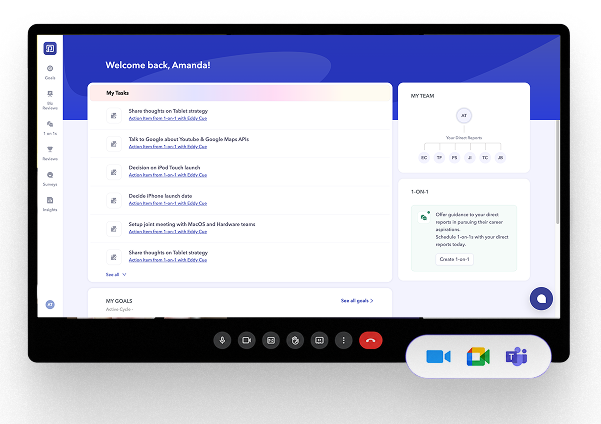
Top Picks




YOU'VE READ THE PLAYBOOK
Now see it running - live, on your org chart
A 30-minute walkthrough of reviews, goals and 1:1s inside Slack & MS Teams. No slides, just the product.
Request a Demo