



Biswashree Roy


posted on
November 23, 2025
modified on
September 28, 2026
For those in HR, guiding employees to set good development goals is super important for helping them grow and boosting the business. Here are 30 examples of employee development goals covering skills, leadership, and personal growth.
These development goals examples can help your team learn and grow in their careers, whether it’s getting better at time management, learning more about the industry, or developing a growth mindset.
| Why Set Professional Development Goals?
Setting professional development goals keeps employees growing and engaged. They help identify skill gaps, align career paths with company objectives, and drive retention through continuous learning. A culture of goal-setting isn’t just good HR, it’s how you build high-performing teams. |
What are Professional Development Goals for Work?

Development goals also known as growth or learning goals give structure to professional progress. They help employees focus on what matters most: learning new skills, improving performance, and driving business impact.
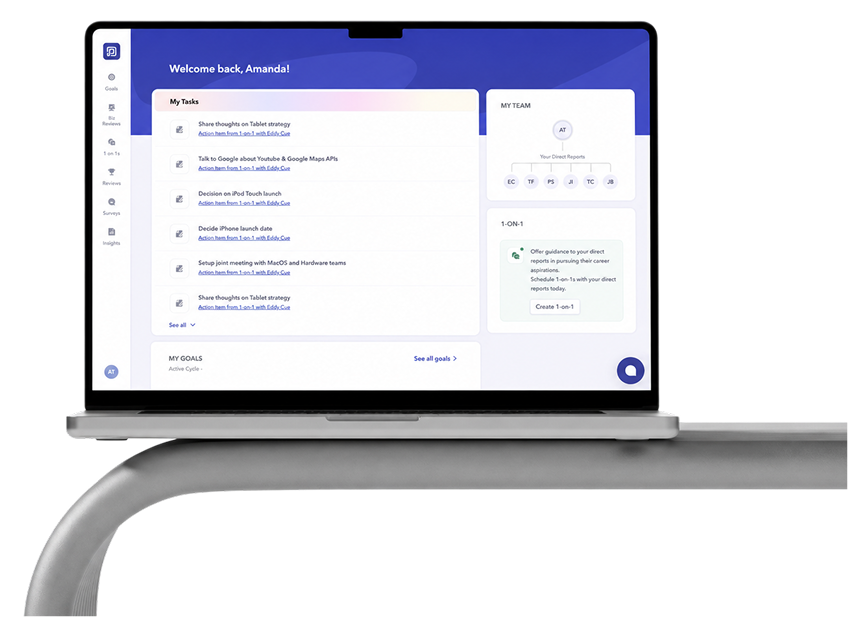
With Peoplebox.ai, you can turn these goals into measurable outcomes by connecting them directly to OKRs and feedback in one platform.
Types of Development Goals for Employees
To succeed in the workplace, it is crucial to identify and pursue the right development goals. These professional development goals can be categorized into three main types, each focusing on distinct aspects of an employee’s growth:

1. Skills Development Goals for Job-Related Function
To do well and add value at work, it’s key for workers to grow job-related skills. You should aim to get and sharpen the skills needed to do your job well. Here are some examples of goals to improve your skills:
- Get better at software or tools for your job.
- Communicate clearly when you speak or write.
- Handle tasks well by learning project management methods.
- Get more done by using time better.
- Learn to solve tough problems in your field.
2. Leadership Development Goals
If you want to climb the corporate ladder, focus on leadership development. This means working on skills to lead well. Try these goals:
- Mentor junior team members.
- Think strategically to decide wisely.
- Solve problems to keep the peace.
- Build high-performing teams.
- Learn to manage change.
3. Personal Development Goals
Focus on developing yourself to be better at your job. Here are some ways to improve:
- Be More Confident: Improve your self-confidence.
- Handle Stress: Learn to deal with stress for a better work-life balance.
- Connect with Others: Strengthen professional relationships.
- Never Stop Learning: Always look for ways to improve.
- Stay Healthy: Take care of your health to perform your best.
Why Should Businesses Focus on Employee Development Goals?
According to LinkedIn’s Workforce Learning Report 2025 of employees say they’d stay longer at a company that invests in their career development.
Here’s why emphasizing employee development goals is crucial:

Businesses that invest in employee development see higher engagement, retention, and innovation.
- Enhance Performance: Align personal and company goals.
- Retain Talent: People stay where they grow.
- Drive Innovation: Growth-minded employees fuel creativity.
- Boost ROI: Every upskilled employee drives business results.
30 Powerful Development Goals Examples for Employees
Now that we’ve seen why you should pursue development goals in your workplace let’s look at 30 development gHere are 30 practical development goal examples you can apply right away, grouped into three key categories for easier navigation:
- Professional Development Goals
- Leadership Development Goals
- Personal Development Goals
Development Goals Examples for Professional
✅Enhance Proficiency in Data Analysis
✅Improve Technical Writing Skills
✅Enhance Presentation Skills
✅Become an Expert in a Specialized Area
✅Master Project Management
✅Learn Email Marketing
✅Develop Advanced Problem-Solving Skills
✅Excel in Customer Service
✅Increase Sales and Revenue
✅Enhance Digital Marketing Skills
✅Foster Cross-Functional Collaboration
Organizations can facilitate this goal by offering writing courses and promoting a culture of constructive feedback.

Leadership Development Goals Examples
| Feedback from team members and direct reports can offer valuable insights into a leader’s communication effectiveness. |

✅ Develop Strong Communication Skills
✅ Foster Team Building and Collaboration
✅ Enhance Decision-Making Abilities
✅ Inspire and Motivate Others
✅ Develop Conflict Resolution Skills
✅ Create and Execute a Vision
✅ Develop Emotional Intelligence
✅ Lead Change Effectively
✅ Build and Manage High-Performing Teams
✅ Lead by Example in Ethics and Integrity
Personal Development Goals Examples
✅Enhance Work-Life Balance
✅Improve Time Management Skills
✅Cultivate Resilience and Stress Management
✅Improve Networking and Relationship Building
✅Boost Financial Literacy
✅Embrace Diversity and Inclusion
| Diversity and inclusion surveys and feedback can assess the inclusivity of the workplace and provide insights for improvement. |

✅Improve Health and Wellness
✅Enhance Creativity and Innovation
✅Develop Public Speaking Skills
✅Cultivate Lifelong Learning
Now that we’ve covered 30 development goal examples, it’s time to explore the methods for effectively implementing and tracking these goals.
How to Implement and Track Development Goals for Employees
Turning goals into growth requires structure and consistency. Start by aligning employee development goals with your company’s OKRs so every target contributes to business outcomes.
With Peoplebox.ai, HR leaders can:
- Set and track OKRs that tie directly to individual development goals.
- Run performance reviews and collect 360° feedback all within Slack or Teams.
- Automate 1:1 check-ins and feedback loops to keep progress transparent.
- Use real-time analytics to measure improvement and close skill gaps.
Keep it simple: align personal growth with company goals, provide regular feedback, and use a unified platform like Peoplebox.ai to keep everyone accountable and growing together.
FAQs
What are good examples of professional development goals?
Good professional development goal examples: earn a specific certification by Q3, lead one cross-functional project this year, present at an industry conference, complete a management training programme within six months, or grow direct reports from two to five. Each names a specific outcome, a date, and evidence of progress.
What are your top 3 professional goals?
Good top-three professional goals tie career growth to specific skills: build management readiness through a stretch project, close one technical gap through a certification, and expand cross-functional visibility by leading a company-wide initiative. Vague answers like grow my career weaken the whole review; specific goals give the manager something to support.
What are the 5 goals of development?
The five goals of professional development that appear across most frameworks are skill acquisition, career advancement, expanded responsibility, network growth, and personal development. The right mix depends on career stage; early-career weights skills heavily, mid-career shifts toward network and stretch responsibility.
How do I write my professional goals?
Write professional goals by starting from where you want to be in 12 to 24 months, then working backward to the skills and experiences you need to get there. Make each goal specific, measurable, and dated. Skip aspirational language like grow leadership skills; write take on lead role for the Q3 launch instead
What are your professional goals' best answer?
A strong answer to the professional goals question ties short-term goals to the role you are in and long-term goals to a realistic next step, with evidence that you have started acting on both. Vague answers like keep growing signal drift; specific ones like become promotion-ready for senior IC by year-end show intent.
About the Author

Rohitha Lakshmi Polavarapu
Content Writer & SEO Specialist
I’m Rohitha Polavarapu, a Content Writer Associate at Peoplebox.ai, where I research and write about the evolving world of HR, AI, and employee experience. I joined the Peoplebox.ai editorial team in March 2025 after completing my MBA in Digital Marketing and Business Analytics from CMR University.
At Peoplebox.ai, I focus on creating content that simplifies complex HR and technology concepts from AI interviewers to performance management software and turns them into actionable insights for HR leaders and recruiters. My writing helps organizations make smarter, data-backed talent decisions while keeping the human element at the core of hiring and performance.
I explore topics such as recruitment automation, employee engagement, and the future of work, examining how AI empowers people leaders to make better decisions. When I’m not writing, I’m usually reading about new HR tech innovations or brainstorming ways to make HR content more engaging and relatable.
View profile Top Picks


YOU'VE READ THE PLAYBOOK
Now see it running - live, on your org chart
A 30-minute walkthrough of reviews, goals and 1:1s inside Slack & MS Teams. No slides, just the product.
Request a Demo